Protecting Your Liver From Harm
Does the liver need protecting?
The liver is a powerhouse, refining and detoxifying all substances that enter the body.
This miraculous organ does these chemical conversions 24/7 and is relatively low maintenance.
However, that does not mean it cannot be damaged.
Your liver is the largest and most complex internal organ in your body.
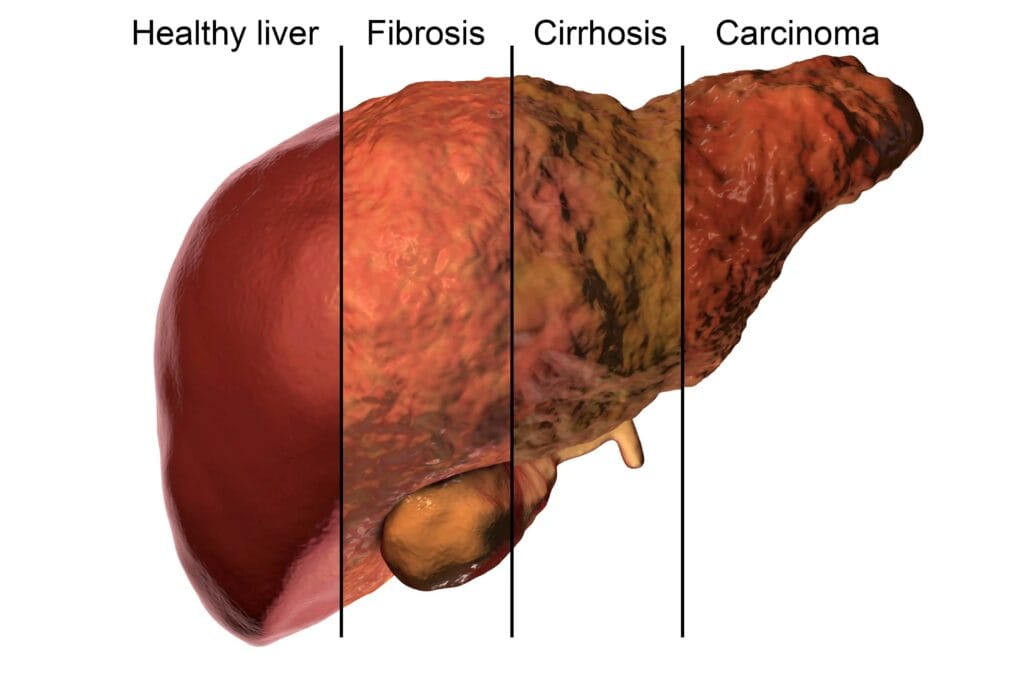
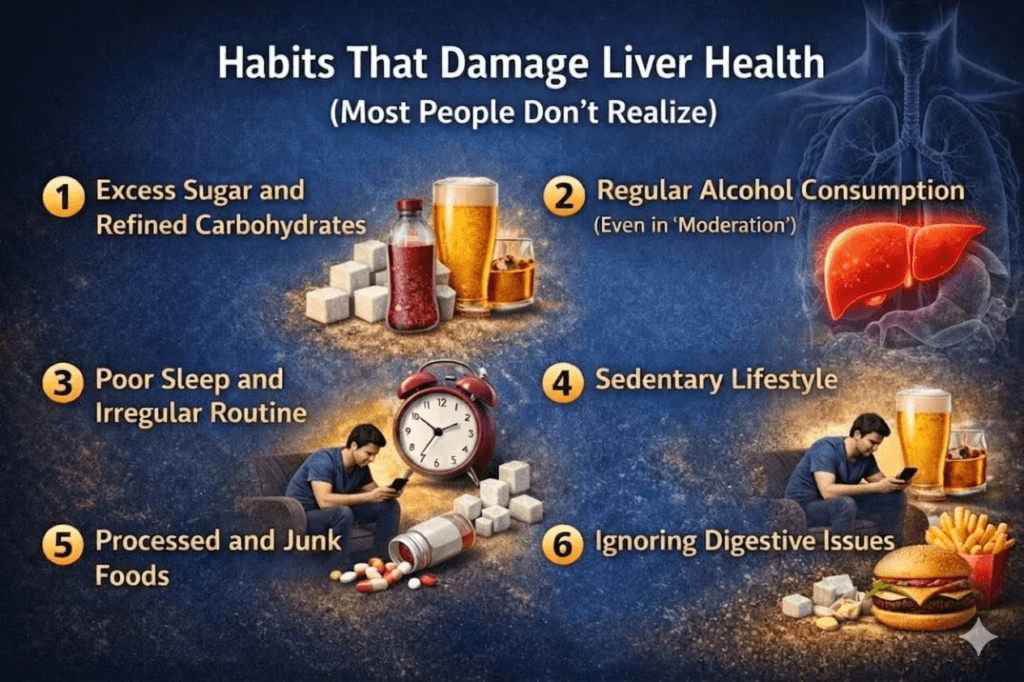
The liver can be damaged by excess fats, drugs, alcohol, toxins, and hepatitis viruses.
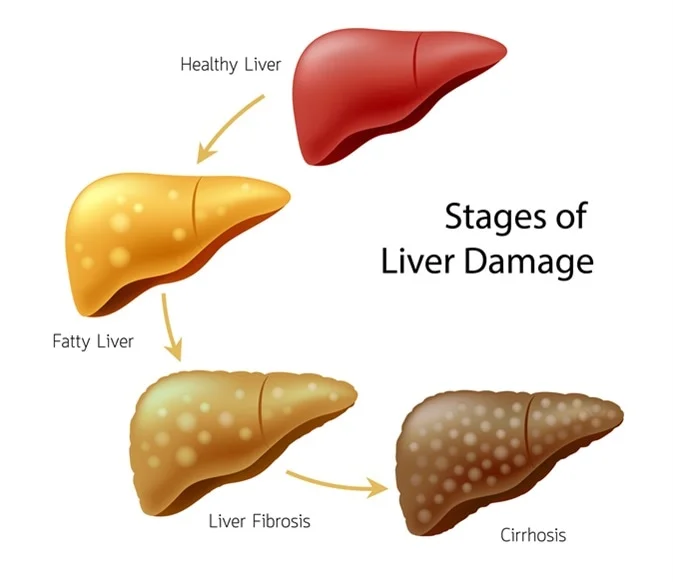
All of these factors can contribute to cirrhosis, or liver cell death. This causes tough scarring to build up in the liver and impairs functioning.
Understanding these risk factors is the first step toward protecting your liver health.
Liver-Related Diseases
Understanding the conditions that can affect your liver health
NASH/NAFLD (Fatty Liver)
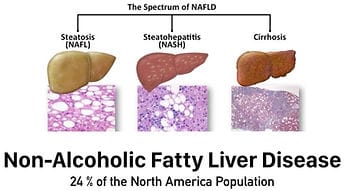
Nonalcoholic fatty liver disease (NAFLD) is an umbrella term for a range of liver conditions affecting people who drink little to no alcohol. As the name implies, the main characteristic of NAFLD is too much fat stored in liver cells. Some individuals with NAFLD can develop nonalcoholic steatohepatitis (NASH), an aggressive form of fatty liver disease, which is marked by liver inflammation and may progress to advanced scarring (cirrhosis) and liver failure. NAFLD usually causes no signs and symptoms however it may cause fatigue, pain or discomfort in the upper right abdomen. NASH and advanced scarring (cirrhosis) include abdominal swelling (ascites), enlarged blood vessels beneath the skin’s surface, an enlarged spleen, red palms and yellowing of the skin and eyes called jaundice. Research is needed to identify why some people accumulate fat in the liver while others do not or why some fatty livers develop inflammation that progresses to cirrhosis.
NAFLD and NASH are both linked to obesity, insulin resistance, high blood sugar, indicating pre-diabetes or type 2 diabetes and high levels of fats, particularly triglycerides in the blood. They also promote the deposit of fat in the liver. This excess fat in some people acts as a toxin to liver cells, causing liver inflammation and NASH, that may lead to cirrhosis.
Atherosclerosis
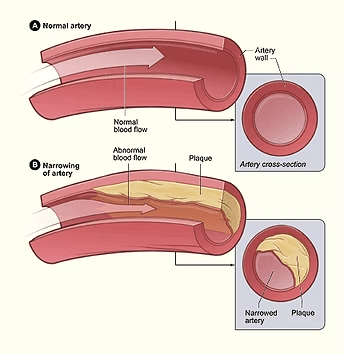
A disease in which plaque builds up inside arteries, the blood vessels that carry oxygen-rich blood to your heart and other parts of your body. Plaque is made up of fat, cholesterol, calcium, and other substances found in the blood. Over time, plaque hardens and narrows your arteries, leading to serious problems, including heart attack, stroke, or even death. Fats are processed by the liver. Cholesterol is produced and excreted by the liver. Atherosclerosis begins on Day One with the selection and amount of sugar, carbohydrates, and fats that babies and children ingest.
Cirrhosis
Cirrhosis is a late-stage scarring (fibrosis) of the liver caused by many forms of liver diseases and conditions, such as hepatitis and chronic alcoholism. Each time your liver is injured—whether by excessive alcohol consumption or another cause—it tries to repair itself, and in the process, scar tissue forms. As cirrhosis progresses, more and more scar tissue forms, making it difficult for the liver to function as your body’s primary filtration system.
Viral Hepatitis B
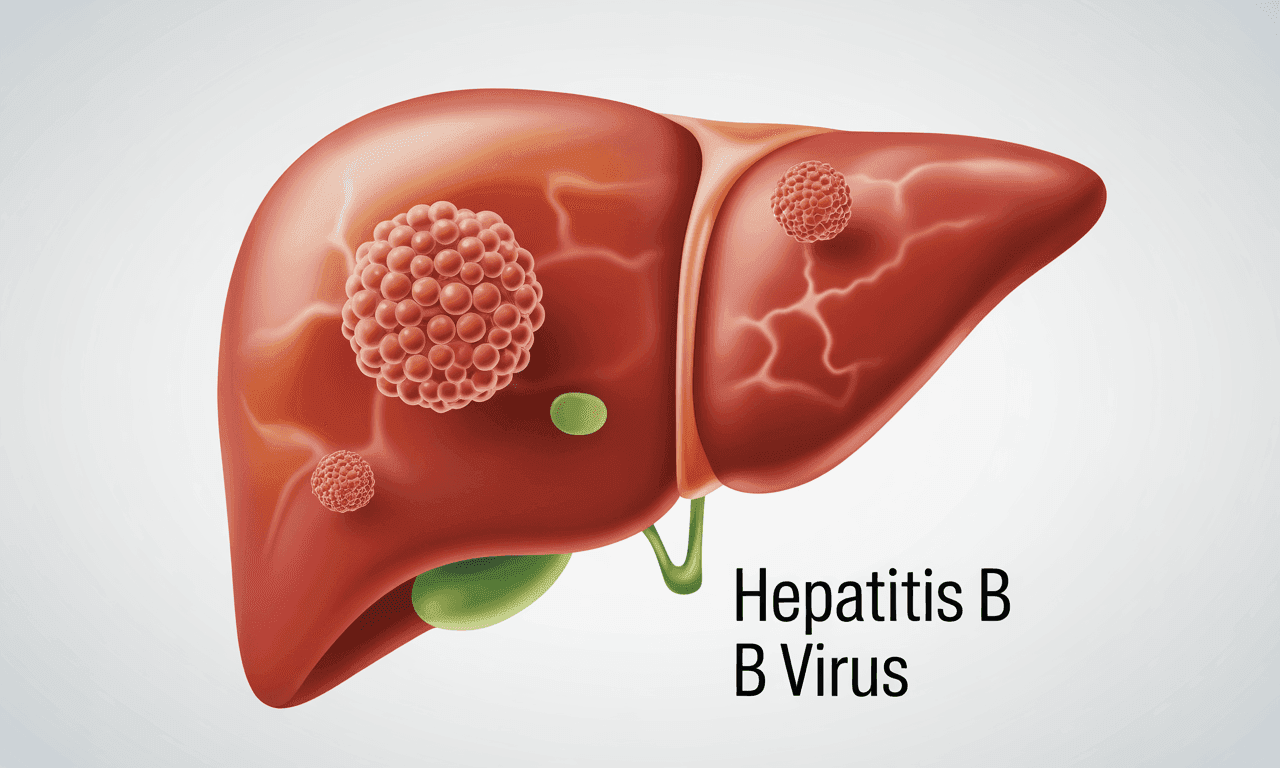
Hepatitis B is a serious liver infection caused by the Hepatitis B virus (HBV) that can lead to both acute (short-term) and chronic (long-term) illness. It is primarily transmitted through contact with infectious blood, semen, and other body fluids, or from an infected mother to her infant during childbirth. While many adults can clear the virus on their own, the risk of the infection becoming chronic is much higher for infants and young children, potentially leading to severe complications like cirrhosis (scarring of the liver) or liver cancer.
The HBV vaccine was discovered in 1986. CDC recommended vaccinating children, however they failed to educate the public and especially parents about the importance of the liver and how HBV viruses destroy life supporting liver cells. The reason they need to get their children and themselves vaccinated. Today the HBV vaccine is underutilized due to ignorance about the importance of the liver.
Uninformed parents ignored recommendations and vaccines were recently threatened lacking immediate extensive support from tragically uninformed parents. Ask your Congressional representative to require the HBV birth dose be mandated.
Viral Hepatitis C
Hepatitis C virus was discovered in 1989. According to the Centers for Disease Control and Prevention, the incidence of viral hepatitis continues to increase in spite of enormous efforts to identify and test infected individuals by identifying risks behaviors and sharing modes of transmission. Of all the innumerable recommendations aimed at bringing this disease under control, none of them has included promoting identification of the impact these diseases have on the body’s internal chemical refinery and detoxifier, the miraculous liver. Without providing the rationale for avoiding liver damaging activities, individuals continue to participate in risky behaviors that can cause additional damage to their infected liver.
Over a million patients are currently infected with Hepatitis C. There is cure for HCV however, due to the fact that their silently infected, unrecognized liver elicits no pain to warn uninformed patients of trouble, they refuse to be treated, continue to spread hepatitis to others while the viruses multiply ultimately causing cirrhosis, cancer and death.
The Liver Health Initiative has pleaded with CDC for years to educate the “hesitaters” and the public about the body’s Internal Command Center– their life supporting non-complaining liver –and how hepatitis viruses damage their liver’s employees, amazing liver cells, information sorely needed to motivate them to accept being treated.
Obesity
One in three adults, as well as children, are overweight or obese according to CDC. Obesity is higher among non-Hispanic/American Indian and Alaska Native and non-Hispanic black women. Babies who are obese during the first few years of their lives have difficulties shedding off that excess weight in adulthood.
Carbohydrates are broken down into sugars. A high daily intake of sugar (6 tsp for an adult and 2-6 tsp for children) contributes to the development of non-alcoholic fatty liver disease. Other obesity-related conditions, including cirrhosis, heart disease, hypertension, stroke, type 2 diabetes and certain types of cancer, are some of the leading causes of preventable death.

Drug Misuse & Abuse
Between 2001 – 2014, there was a 7-fold increase in the total number of overdose deaths. According to the National Institute on Drug Abuse, 91,799 drug-involved overdose deaths were reported in the U. S. in 2020. This alarming increase in drug deaths points to a number of failures. For example, we have failed to provide children with information about why and how to protect their one and only liver, which keeps them alive and functioning 24/7. All drugs are chemicals that must be processed through the liver. Liver cells can be damaged (resulting in cirrhosis) when several drugs are ingested more frequently than prescribed.
How to Protect Yourself
Again, the liver does not need much help. By just practicing healthy lifestyles and avoiding risky behaviors that can lead to liver cell damage and disease, you can easily take care of your silent partner.
Adopt a Healthy Lifestyle!
- Eat fruits, vegetables, and good carbohydrates.
- Limit alcoholic beverages to 1 drink/day for women, and 2 drinks/day for men
- Lead an active lifestyle. Find a way to get moving every day
Avoid Risky Behaviors
- Do not overindulge on fatty foods and sugary drinks. Keep it light.
- Practice safe sex to avoid hepatitis infections.
- Avoid tattoos and piercings, which can cause breaks in the skin and leave you vulnerable to hepatitis viruses.